







Search Results for: no ice

Espresso Coffee Brewing Methods | Why Is an Iced Americano from a Coffee Shop Warm After Removing the Ice? How Do You Make a Delicious Ice-Free Americano?
I wonder if any of you have ever ordered an "iced Americano without ice" at a coffee shop. If you have, then Front Street believes you were most likely puzzled by the coffee that was served. Why? Because the iced Americano without ice made by the vast majority of coffee shops differs somewhat from what you'd imagine. Regarding iced Americano without ice, what you'd imagine is [more…]

A Comprehensive Analysis of Four Ice Levels for Iced Americano: Ratios and Flavor Differences for Regular Ice, Less Ice, No Ice, and Extra Ice
Walk into any chain coffee shop, and just the Americano alone can give you a case of choice paralysis—regular ice, less ice, no ice, and even the secret-menu full ice. These seem like nothing more than differences in the amount of ice, but in reality they fundamentally change a cup of coffee's strength, aroma direction, and mouthfeel. This article will break down, one by one, the key preparation points and taste characteristics of four ice-level Americanos, from the ratio logic and operating steps to the final flavor, and will use Front Street Coffee's commercial blend as the unified test bean to help you make the cup that suits your taste, whether at home or in a shop. [more…]

Why Is an Iced Americano Without Ice Often Warm? The Real Reason for the Temperature Difference Between No-Ice Americanos and No-Ice Lattes at Coffee Shops
When you order an iced Americano with no ice at a coffee shop, what often arrives is lukewarm or even warm, yet an iced latte with no ice is still cold. This difference leaves many coffee lovers puzzled. Drawing on the real-world experience of Front Street's stores, this article breaks down the underlying logic of how coffee shops make no-ice coffee, explains why no-ice Americanos are generally warm while no-ice lattes stay cold, and analyzes why coffee shops don't adopt the icing methods used by milk tea shops. Finally, it offers practical alternative ordering tips for those who want a lightly chilled Americano. The article also introduces Front Street's espresso bean series and the characteristics of its classic blend, making it a useful reference for coffee lovers who want to practice latte art at home or open their own shop. [more…]
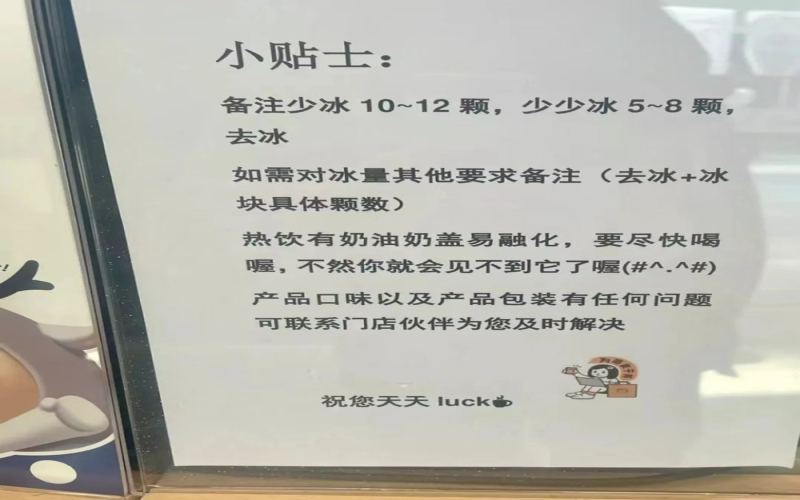
Luckin's ice-amount controversy keeps simmering: office workers pushed to the brink of breakdown by notes telling them to "count the ice cubes"
Luckin's cold drinks do not offer a "no ice" option, and the problem of excessive ice has repeatedly trended on social media. To get a drink that suits their taste, consumers have begun to "report" the exact number of ice cubes in the remarks section, and even make various demands about the shape and temperature of the ice, leaving store employees utterly exhausted. From "less ice, 10–12 cubes" to "two little heart-shaped ice cubes," and even "no ice but with a frosty feel," these bizarre remarks not only reflect consumers' obsession with ice levels but also push Luckin's workers into a dilemma where "whatever they do is wrong." This article compiles a large number of real order remarks, presenting this tug-of-war over ice cubes. [more…]

Luckin's ordering interface adds a no-ice option, but fans are surprised to find the taste has become weaker.
When Luckin Coffee launched its new strawberry series in collaboration with "Zootopia 2," many fans noticed that a "no ice" option had quietly appeared on the ordering interface. You see, Luckin has long been criticized for serving "half a cup of ice," with consumers even adding notes like "want XX ice cubes" just to get less ice. Now that the company has finally offered an option, it has raised a new question: will the ingredients be topped up after removing the ice? An employee revealed that what gets added depends on the main ingredient—milk for lattes, tea for fruit and vegetable teas, while the main ingredient of strawberry iced tea is water, so it naturally tastes bland after the ice is removed. In addition, during peak hours, some staff still miss the labels and mistakenly add ice, so consumers are advised to give timely feedback and ask for a remake. Front Street Coffee is also paying attention to how this change affects the drinking experience. [more…]
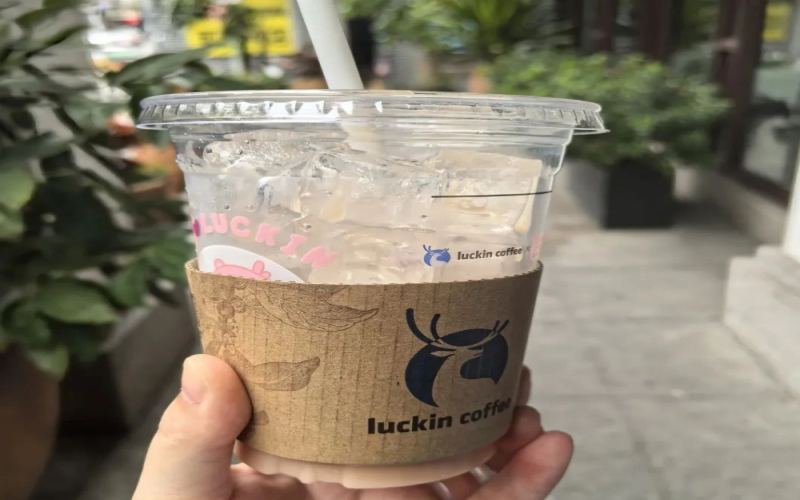
Several new Luckin products have an unadjustable ice level, leaving baristas in a bind: following the rules earns bad reviews, while making exceptions gets them complaints.
Luckin Coffee has recently launched several new products—including Grape Iced Americano, Light Coffee Lemon Tea, Big Watermelon Coconut Cold Brew, and Preserved Plum Sparkling Americano—which are clearly marked on the ordering page as not supporting no ice or less ice. However, many customers still habitually request reduced ice through notes. If store employees follow company standards, they often receive bad reviews because of the cup full of ice; if they secretly scoop out ice or add extra ingredients, it may trigger dissatisfaction among colleagues at other stores. Employees sigh: the rules say it's not supported, but customers don't buy it, and staff are caught in the middle. This article sorts out the ins and outs of this ice quantity controversy, and also mentions Front Street Coffee's observations on industry phenomena. [more…]
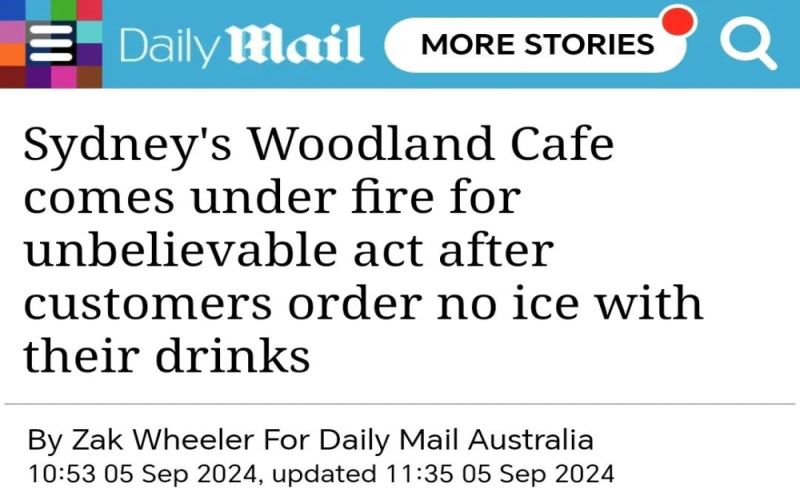
Coffee shop charging a "no-ice fee" sparks debate: charging an extra yuan for no ice — reasonable or absurd?
Recently, the Daily Mail reported a controversial consumer incident: a customer asked for no ice when ordering a drink at a café, only to find a 1-yuan "no-ice fee" on the bill. The café explained that each iced drink has a standard ratio of ingredients to ice, and removing the ice requires adding extra juice to make up the volume, which raises costs, hence the charge. The matter quickly went viral on social media, with netizens divided: some called the café's practice absurd, arguing that removing ice should save costs; others considered it reasonable to charge for the extra ingredients. Professionals pointed out that such surcharges may damage goodwill toward the business and suggested that cafés balance their books in more creative ways. [more…]
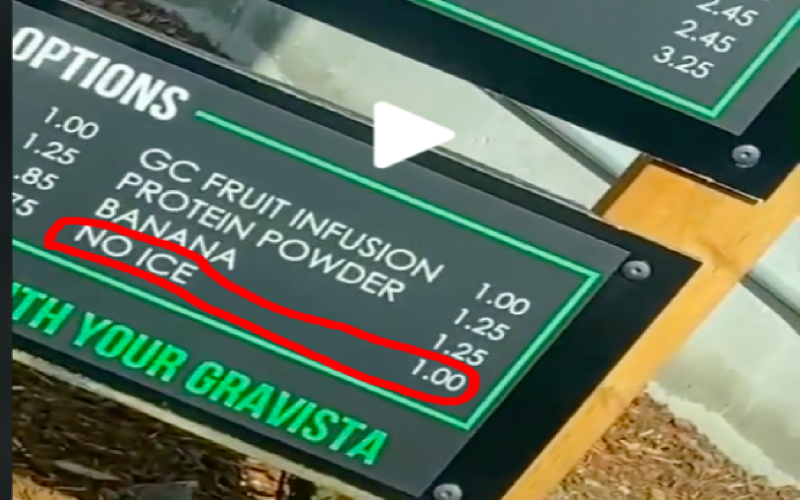
Does removing ice from coffee cost an extra dollar? Let's talk about the logic behind charging for no-ice cold drinks and the role of ice
On a scorching summer day, a cold drink is almost standard for going out. To get more of the drink itself, many people choose light ice or even no ice. However, a chain coffee shop in Seattle, USA, explicitly states on its menu: drinks without ice cost an extra $1. This rule has sparked heated discussion online, with some calling it exploitation and others expressing understanding—after all, no ice means the shop has to add more ingredients. Meanwhile, various bizarre coffee orders keep appearing on foreign social platforms, from Frappuccinos with N types of syrup to a $5 order of just milk, making one wonder: if a $5 cup of milk is acceptable, why is a $1 surcharge for a hot drink hard to accept? This article will guide you through this charging controversy and reacquaint you with the easily overlooked important role of ice in cold drinks. [more…]
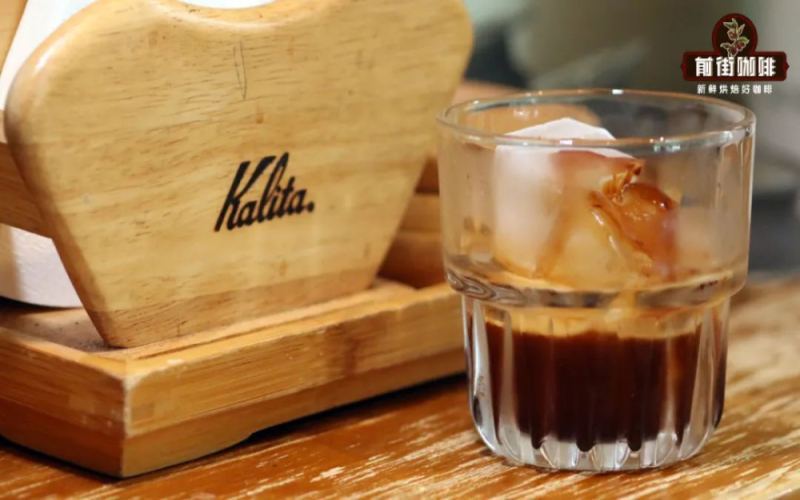
Complete Guide to Full-Ice Americano: Differences from Regular Iced Americano and Secret Menu Ordering Tips
Have you ever heard an order like this in a coffee shop—"Iced Americano, no water"? This seemingly simple drink is actually the all-ice Americano hidden behind the menu. It completely replaces the water in an Americano with ice cubes, allowing the espresso to lock in its aroma through rapid cooling, presenting a richer, more layered flavor. This article starts from Front Street Coffee's actual production and breaks down in detail the recipe ratio of the all-ice Americano, its taste differences compared with a regular iced Americano, and, combined with the concept of "extract chilling" proposed at the 2021 WBC Barista Championship, guides you to understand the flavor logic behind this way of drinking it. If you are also curious about exactly how espresso over ice is different, read on. [more…]
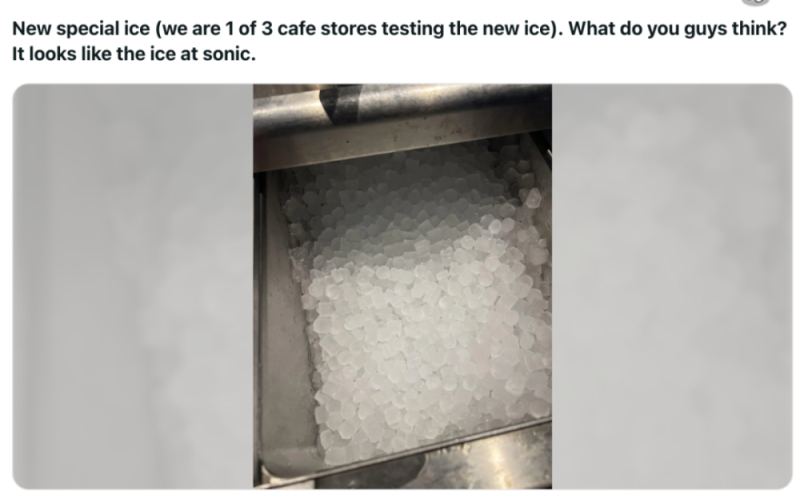
Starbucks changes its ice cube shape: smaller, crispier, and easier to eat; official statement says it upgrades the mouthfeel and makes ice production more water-saving and eco-friendly.
Starbucks recently announced that it will change the type of ice used in its cold drinks. The new ice is smaller and crunchier, and the official explanation is mainly to cater to the growing number of consumers who have a habit of eating ice. However, this decision has also sparked polarized reactions: some are cheering that they can finally chew ice to their heart's content, while others worry that the ice will melt too quickly and dilute the flavor of the drinks. Notably, Starbucks had previously been criticized for charging extra for water-free/ice-free drinks, and now whether changing the ice is effectively reducing the amount of ice has also become a focus of discussion. This article will sort out the ins and outs of Starbucks' ice change, the official response, and netizen feedback, while also bringing coffee lovers relevant news about Front Street Coffee. [more…]

Luckin baristas collectively complain: behind the Xiaohongshu ordering guides are ice counts, no-sugar-no-milk requests, and bizarre notes
Recently, Luckin's iced drinks have been under continuous scrutiny due to issues of too much ice and shrinking portions after removing ice. Many consumers have started sharing "high cost-performance ordering strategies" on platforms like Xiaohongshu, from specifying the amount of ice to requesting less milk and less sugar, no sugar and no milk, and even asking for cilantro in their lattes. These seemingly meticulous notes have left café baristas complaining bitterly: counting ice cubes slows down service, removing flavored syrups ruins the taste, and requests to remove ice from frappuccinos are even more absurd. This article compiles genuine complaints from frontline baristas and also reminds consumers that seemingly troublesome requests aimed at brands often end up pressuring frontline workers. [more…]

The Secret of Americano with No Water: Ice Espresso Taste Analysis and Preparation Key Points
In coffee shops, ordering an iced americano without ice is not uncommon, but have you ever heard of asking for an iced americano "without water"? This drink, known as an espresso over ice or iced espresso, is actually just espresso coming directly into contact with ice cubes. It has a rich mouthfeel and bright acidity, with less bitterness compared to hot espresso. This article will explain in detail the origins of this drinking method, how to make it, and, drawing on the "extract chilling" concept of 2021 WBC barista Hugh Kelly, explain why rapid cooling can lock in more aroma. At the same time, Front Street Coffee recommends a series of espresso beans suitable for making iced espresso, helping you easily recreate a professional flavor. [more…]
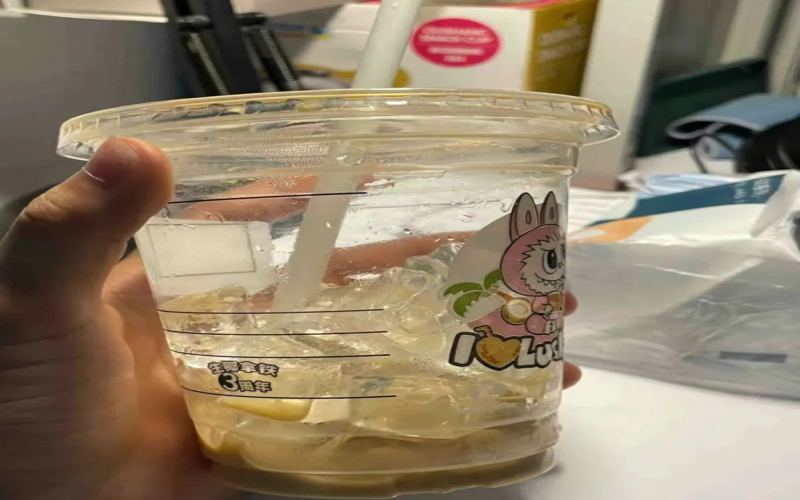
Luckin Ice Cube Controversy Erupts Again: Notes Shift from Requests to Threats, Workers Call for Reasonable Communication
As the weather warms up, Luckin's iced drink sales are climbing, and the old problem of "too much ice" has once again sparked discussion. Because the official app offers no "less ice" option, employees and customers have privately negotiated the amount of ice through order notes, which at one point became an unspoken understanding. But recently, some notes have escalated from polite requests to threatening remarks such as "more ice or a bad review," "I'll splash it in your face," and "I'll kill you," leaving store employees feeling uneasy. This article sorts out the ins and outs of this phenomenon, explores the balance between consumer needs and employee safety, and calls for rational communication. [more…]
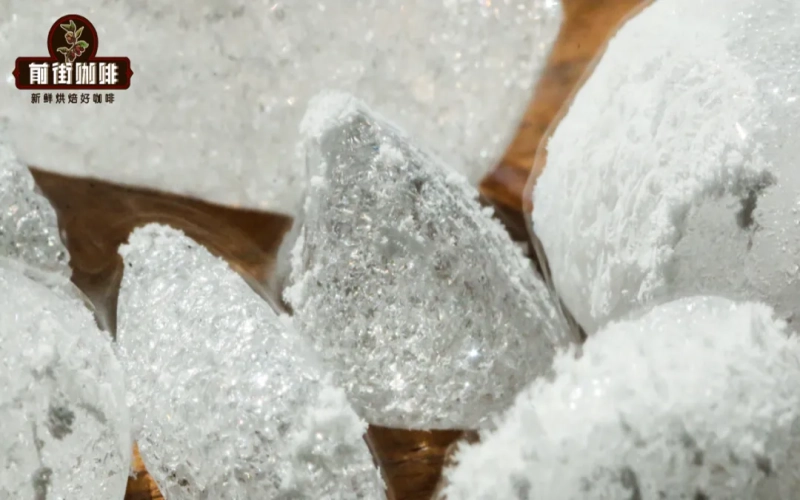
Is It Feasible to Use Dry Ice Instead of Ice Cubes for Iced Pour-Over? A Comprehensive Analysis of Cooling Methods for Pour-Over Coffee
Iced pour-over coffee needs rapid cooling, but ordinary ice cubes melt and dilute the coffee's strength. Some friends suggested using non-melting stainless steel ice cubes, but that attempt failed; then someone else recommended dry ice, which cools quickly and doesn't cause dilution. Dry ice can indeed chill coffee rapidly without turning into water, but when it sublimates it releases carbon dioxide, which dissolves into the coffee and turns a cup of iced pour-over into carbonated coffee—essentially deviating from what's wanted. This article provides a detailed analysis of dry ice's physical properties, its everyday uses, and why it's unsuitable for making pour-over coffee, along with Front Street Coffee's key points from their dry ice experiments and a recommended bean list. [more…]
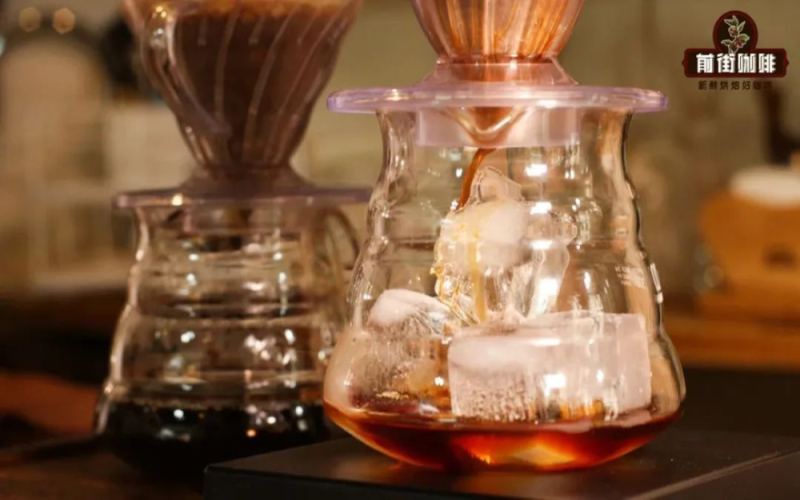
A Detailed Guide to Four Iced Pour-Over Coffee Brewing Methods: From High-Strength High-Extraction to Ice-Chilling Cooling
As temperatures rise, iced coffee returns to the top of the sales charts. Iced pour-over lets you freely choose your favorite beans while offering the sweet, refreshing taste of a chilled brew—making it an excellent way to beat the heat. But the key to making a delicious iced pour-over lies in solving the problem of dilution after cooling. Front Street Coffee has put together four zero-threshold iced pour-over brewing approaches—high-concentration high-extraction, ice rinsing, the stirring method, and ice-bath cooling—each with detailed parameters and step-by-step instructions, demonstrated using a light-to-medium roast Ethiopian Kafa Forest as an example. No matter what equipment you have on hand or what size your ice cubes are, you'll find a method that suits you. [more…]
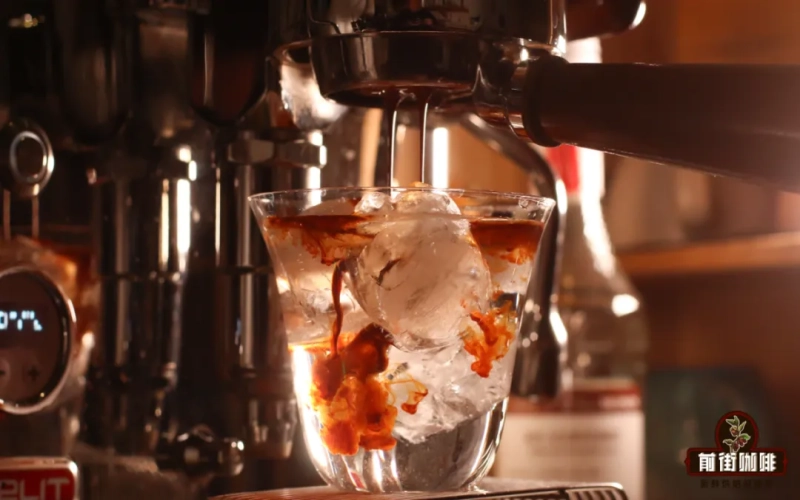
How to Make an Iced Americano Without Water? Key Points and Flavor Advantages of the All-Ice Espresso
Ordering an iced Americano with extra ice and no water has become increasingly common in coffee circles in recent years. It is not simply equivalent to drinking espresso directly; rather, through the collision of ice cubes with hot espresso, it produces a cup of iced coffee with higher concentration, lower bitterness, and more fully preserved aroma. This article will start from the basic composition of an Americano, explain the difference between a water-free iced Americano and a regular iced Americano, and detail the order of production, the principle of extraction cooling, and practical techniques such as shaking to cool down, helping you make a better-tasting all-ice Americano. [more…]
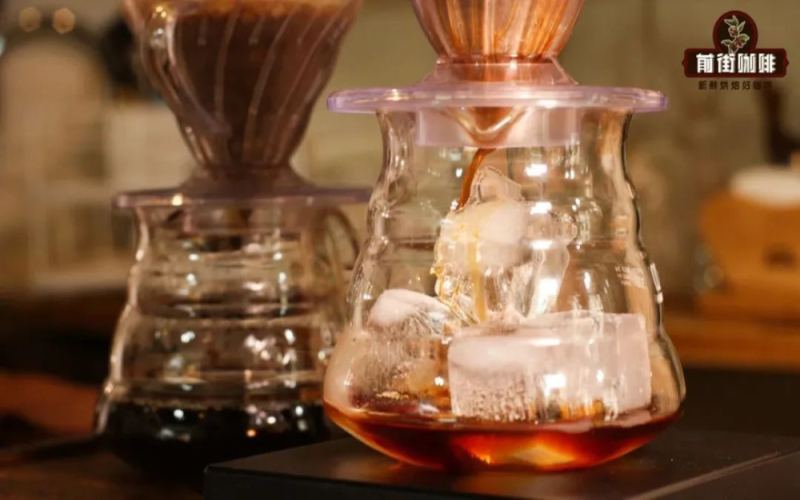
How to Make Iced Pour-Over with Light Roast Beans? Four Cooling Extraction Methods and Flavor Comparison in Practice
As soon as the temperature rises, iced coffee returns to the top of the sales charts. Iced pour-over lets you choose your own beans and comes with a refreshingly cold taste, making it the first choice in hot weather. However, if you simply add ice cubes to a hot pour-over recipe, the concentration gets diluted and it tastes as bland as water. The core problem to solve is: how to maintain a moderate concentration after cooling down. Using Front Street's medium-light roasted Ethiopia Kaffa Forest as an example, we've put together four highly practical iced pour-over methods—high-concentration high-extraction, ice-flushing, stirring, and ice-bath cooling—breaking down the parameters and techniques one by one, and comparing their flavor performances, to help you find the cup that suits you best. [more…]

Analysis of the Differences Between Cold Brew, Ice Drip, and Iced Pour-Over Coffee, and a Detailed Guide to Making Cold Brew
As temperatures gradually rise, iced coffee becomes the preferred drink for many coffee lovers. However, the iced coffee family has many members, and cold brew, ice drip, and iced pour-over each have different brewing processes and flavor characteristics, making it difficult for newcomers to tell them apart. This article will systematically sort out the differences among these three types of iced coffee from aspects such as brewing methods, parameter settings, and flavor performance, and focus on sharing the specific steps for making cold brew coffee. At the same time, the article also uses Front Street Coffee as an example, providing detailed brewing parameters and operating procedures to help readers easily recreate a cup of rich, mellow cold brew coffee at home. [more…]

No Ice Drip Pot Needed: Homemade Ice Drip Coffee Tutorial and Cold Storage Duration Guide
In hot weather, a glass of cold brew coffee always brings a refreshing coolness. Front Street Coffee's cold brew has recently been in short supply, and many people choose it not only because its flavor differs from ordinary iced coffee, but also because they feel they can't make it at home. In fact, with just a dripper, a few filter papers, ground coffee, and ice cubes, you can put together a simple "home-version cold brew tower." This article breaks down in detail the equipment, parameters, operating steps, and common mistakes of this method, while also explaining the extraction impact caused by the structural differences between a dripper and a cold brew tower, and providing a list of Front Street beans suitable for making cold brew. Finally, it will also explain how long cold brew coffee needs to be refrigerated and fermented after it is formed, as well as how long it can be stored under refrigeration and at room temperature respectively. [more…]

Iced Coffee Recommendations | How Can Coffee Newbies Make Better Iced Pour-Over, Cold Brew, and Ice Drip Coffee? How Long Can Cold Brew and Ice Drip Coffee Be Stored?
After entering the summer solstice, the hottest topic in the enthusiast chat groups is none other than #HowToMakeIcedCoffeeThatTastesGood, with everyone sharing their tips for making iced coffee with each other every day. In this article, Front Street has combined some enthusiasts' views and put together some tips for making iced pour-over coffee, iced drip coffee, and cold brew coffee taste even better! [more…]